
Phoenician and Punic | Research Group
In this context, the Phoenician and Punic Research Group, made up of archaeologists, philologists, epigraphists, historians of religions, restorers, IT specialists and topographers, aims to investigate in a multidisciplinary way the documentary evidence relating to the Phoenician and Punic world, encompassing East and West, with missions in Lebanon, Sardinia and Tunisia. With a dynamic approach, the Research Group observes, examines and analyses the archaeological and textual evidence of the ancient Phoenician space as it undergoes constant geographical and chronological change.
In questo contesto, il gruppo di ricerca, costituito da archeologi, filologi, epigrafisti, storici delle religioni, restauratori, informatici, topografi ha l’obiettivo di indagare, in modo multidisciplinare, le evidenze documentarie relative al mondo fenicio e punico, tra Oriente e Occidente, con imprese in Libano, Sardegna e Tunisia. Il gruppo di ricerca, con un approccio dinamico, osserva, esamina e analizza le testimonianze archeologiche e testuali dell’antico spazio fenicio in perenne mutamento sia geografico che cronologico.

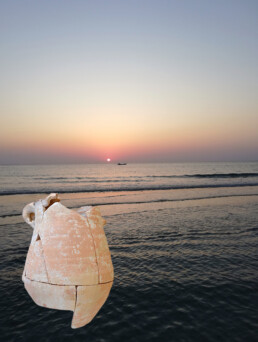
The national and international mission of the Phoenician and Punic Research Group is devoted not only to research but also to wider cultural interaction and enhancement thanks to its close collaboration with public and private institutions in the area in which it operates. The impulse that drives the Research Group’s activities is the attempt to recreate the ancient Mediterranean connection between East and West of which the Phoenicians were protagonists.
The specific background of the team’s research grows out of the pioneering role that the CNR has played in the field of Phoenician and Punic studies, with the creation of the Centre for Phoenician and Punic Studies in 1969 due to the efforts of Sabatino Moscati. Thanks to him, the entire discipline, which is now internationally recognized, was consolidated through a wide range of archaeological, historical and epigraphic research conducted by the CNR and the main Italian universities.
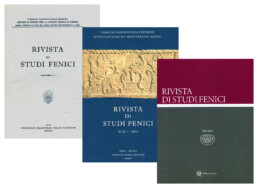
One expression of the work of the Research Group at an editorial level is the publication of the prestigious Rivista di Studi Fenici, founded in 1973 by Moscati himself. The RSF, which remains the point of reference for those involved in this field of study, aims to continue the path it has traced over the first half-century of its life, while proceeding at a different pace – a renewal dictated by the natural evolution of the discipline. The members of the scientific committee – scholars from different backgrounds and from various countries that, thanks to ancient or more recent history, have played a role in the study of the Phoenician and Punic world – all agree to make the RSF a meeting place for the new multiple realities that feed into the discipline today. Its pages are therefore an ideal space configured as an arena for scientific debate that is free of political and cultural frontiers.
Alongside the RSF, there is the Collezione di Studi Fenici, which is also the custodian of a long and prestigious tradition. The Collection includes monographs and miscellaneous studies of great scientific importance that form the backbone of the most up-to-date research in the field of Phoenician and Punic history and archaeology.
SEMINAR SERIES
MAGO. Making Gods
Il ruolo della pratica rituale nella costruzione delle divinità
MAGO – Making Gods is a research project dedicated to studying the processes of constructing divinities in ancient polytheistic societies. By analyzing the role of rituals, the project explores how cult practices defined the functions, names, and identities of gods in different contexts of the ancient world. Presented on February 1, 2024, at the CNR, MAGO offers a series of online seminars (March–November 2024) on the theme of “Rituals and names in the polytheisms of the ancient world.”
Staff Phoenician and Punic
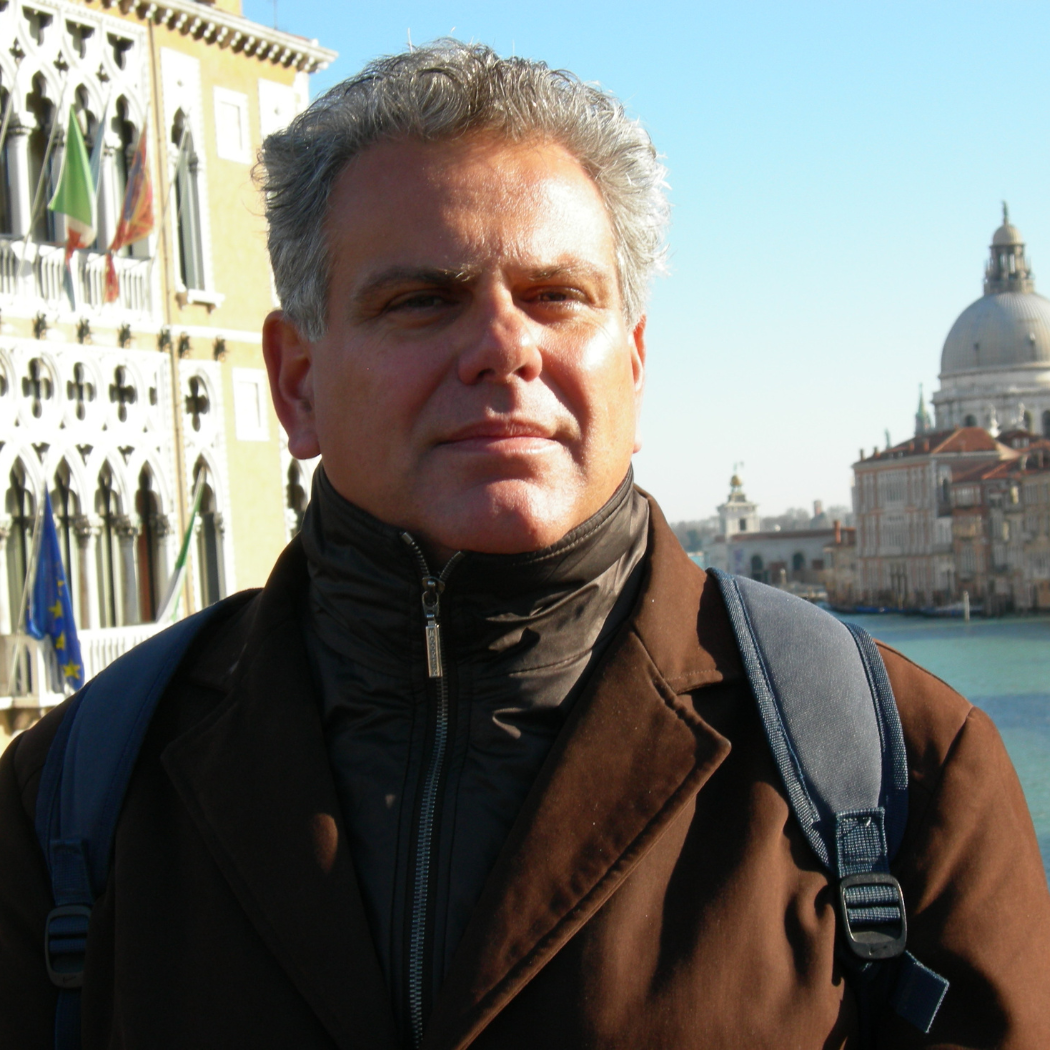
Massimo Botto
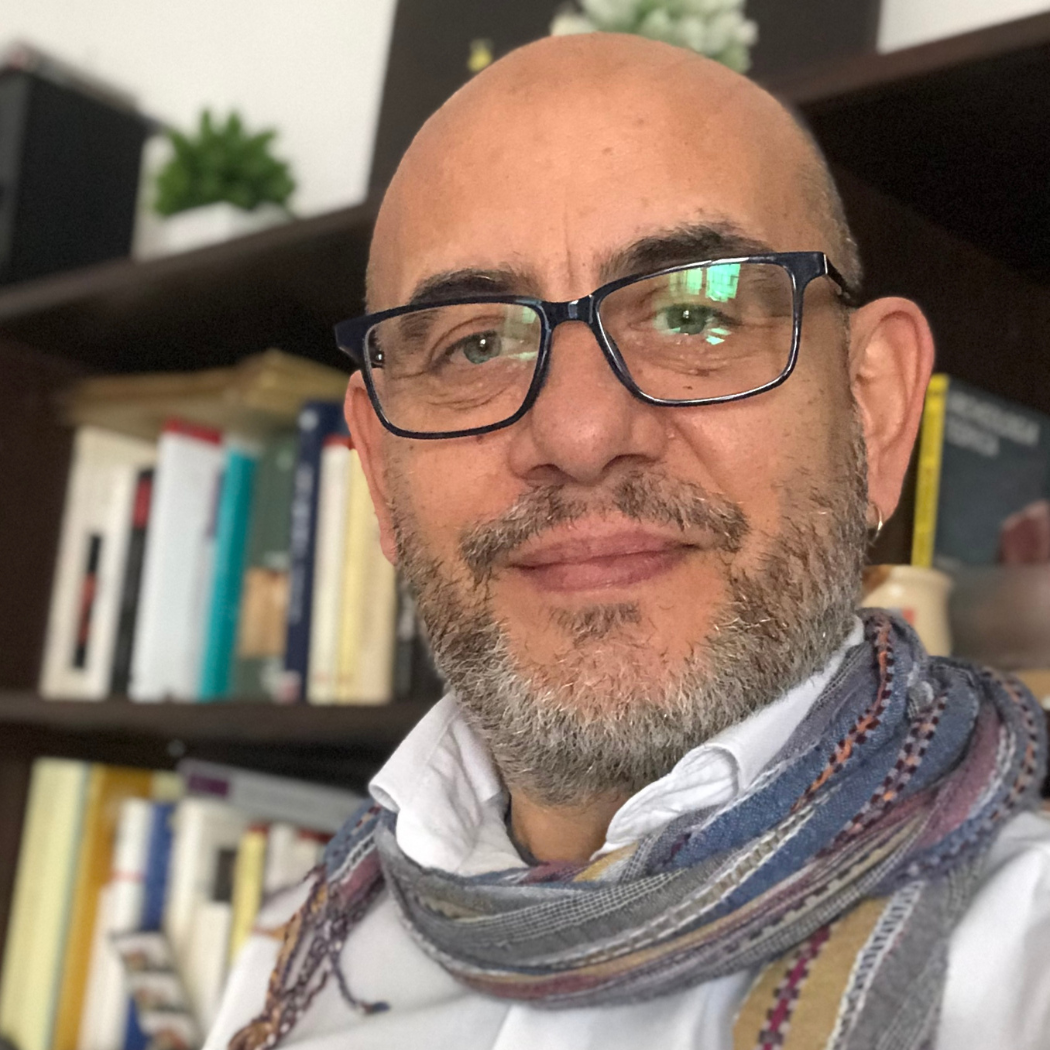
Giuseppe Garbati

Ida Oggiano
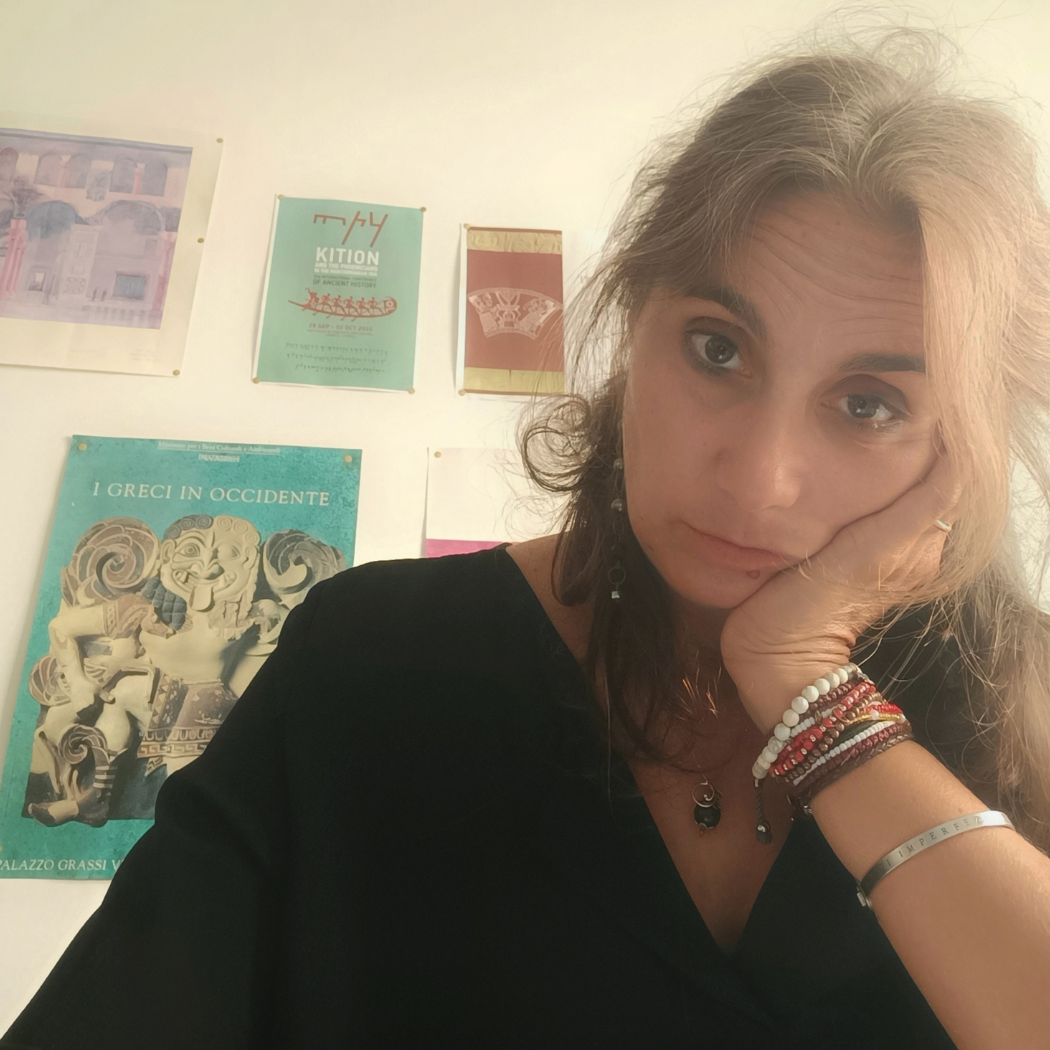
Tatiana Pedrazzi

Fabio Porzia
Members of the e Phoenician and Punic Group
Anna Angelini, University of Zurich, Switzerland
How to contact us
feniciopunicogroup@ispc.cnr.it
Projects and Research activities
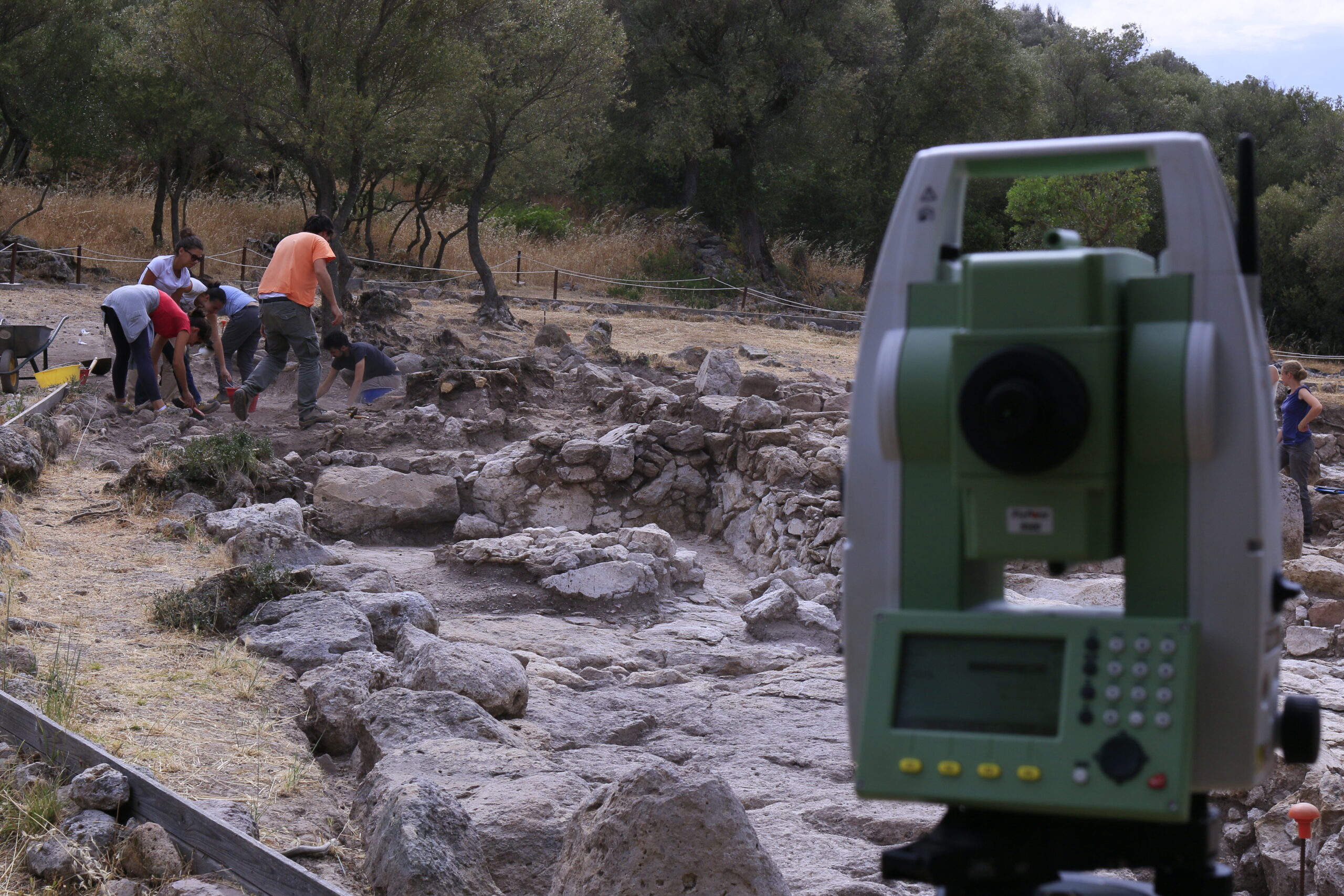
Since 2016, the Landscape Archaeology of Southwest Sardinia (LASS) has operated in eastern Sulcis with the goal of analysing from a diachronic perspective the settlement pattern and the type of soil use. The particular focus of the research is the site of Pani Loriga.
The Pani Loriga archaeological research project, conducted in Sardinia, was born of the investigations carried out on the hill of Pani Loriga (Santadi), in the Sulcis region. The site was founded by the Phoenicians at the end of the 7th century BC and then experienced an urban flourishing in the Punic period, from the second half of the 6th century BC. Archaeological investigations allow us to explore the interactions with the territory and its resources, and in particular the origins of wine production, for which the region of Santadi is still renowned. In this regard, biochemical analyses have been systematically carried out on a wide range of ceramic forms from the Punic settlement.
The multidisciplinary project Transformations and Crisis in the Mediterranean (TCM Project) aims to follow the Phoenician fil rouge across the Mediterranean, studying the Phoenician and Punic material and immaterial culture – objects, artefacts, texts, cults, divinities – between East and West. With the invaluable help of the research tools used in cultural anthropology, one of the main goals of the project is to question ideas that are now losing traction, such as that of “identity”, and to propose updated definitions of notions such as “interculturality” and “hybridization”.
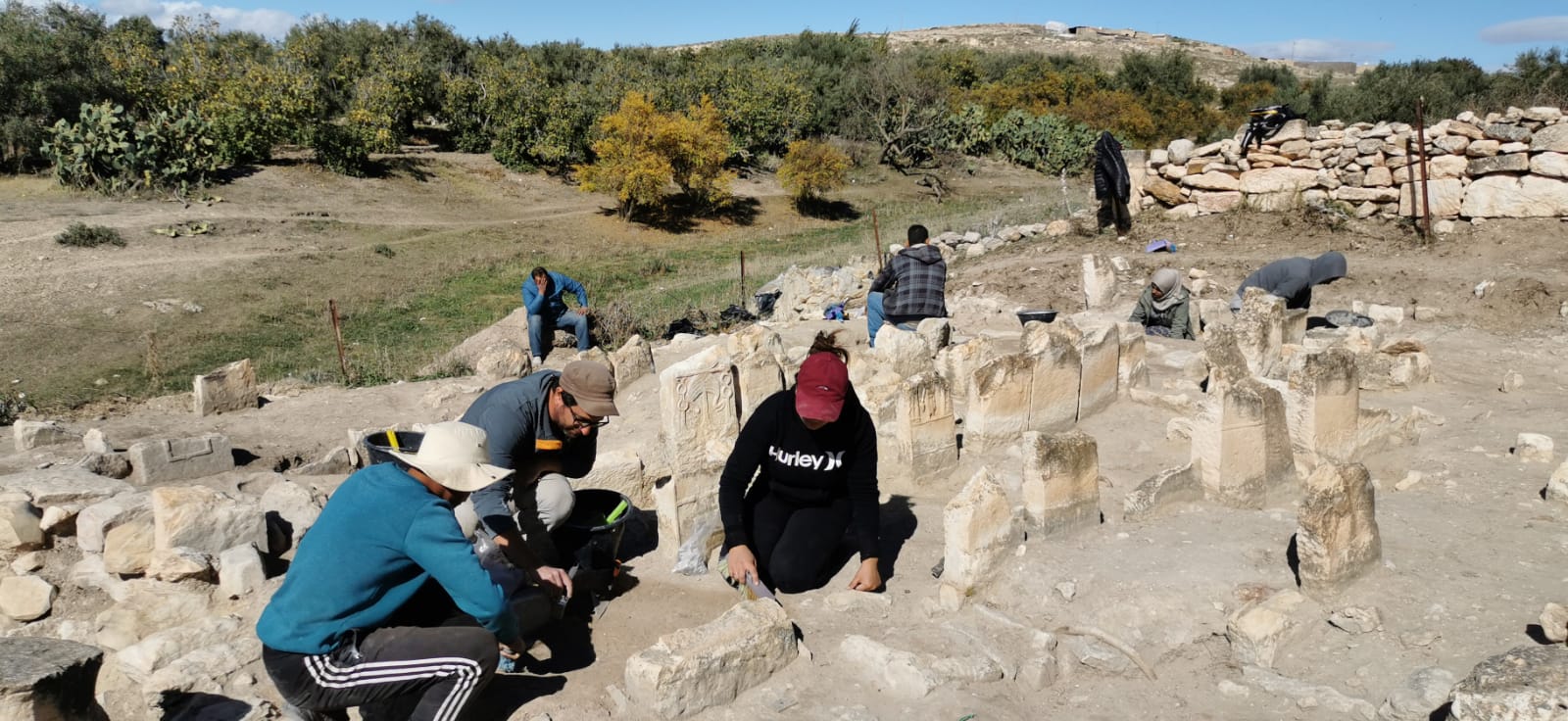
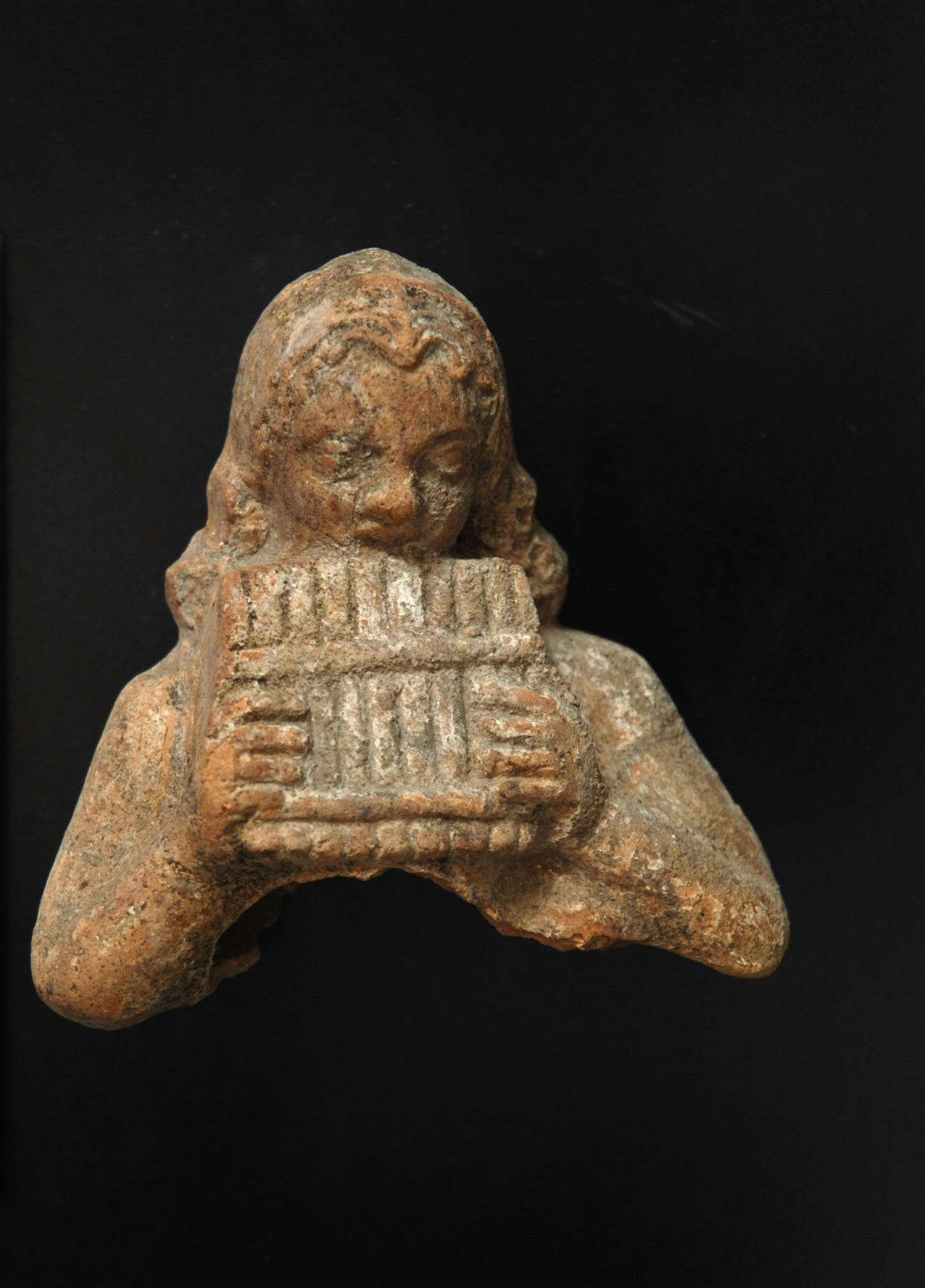
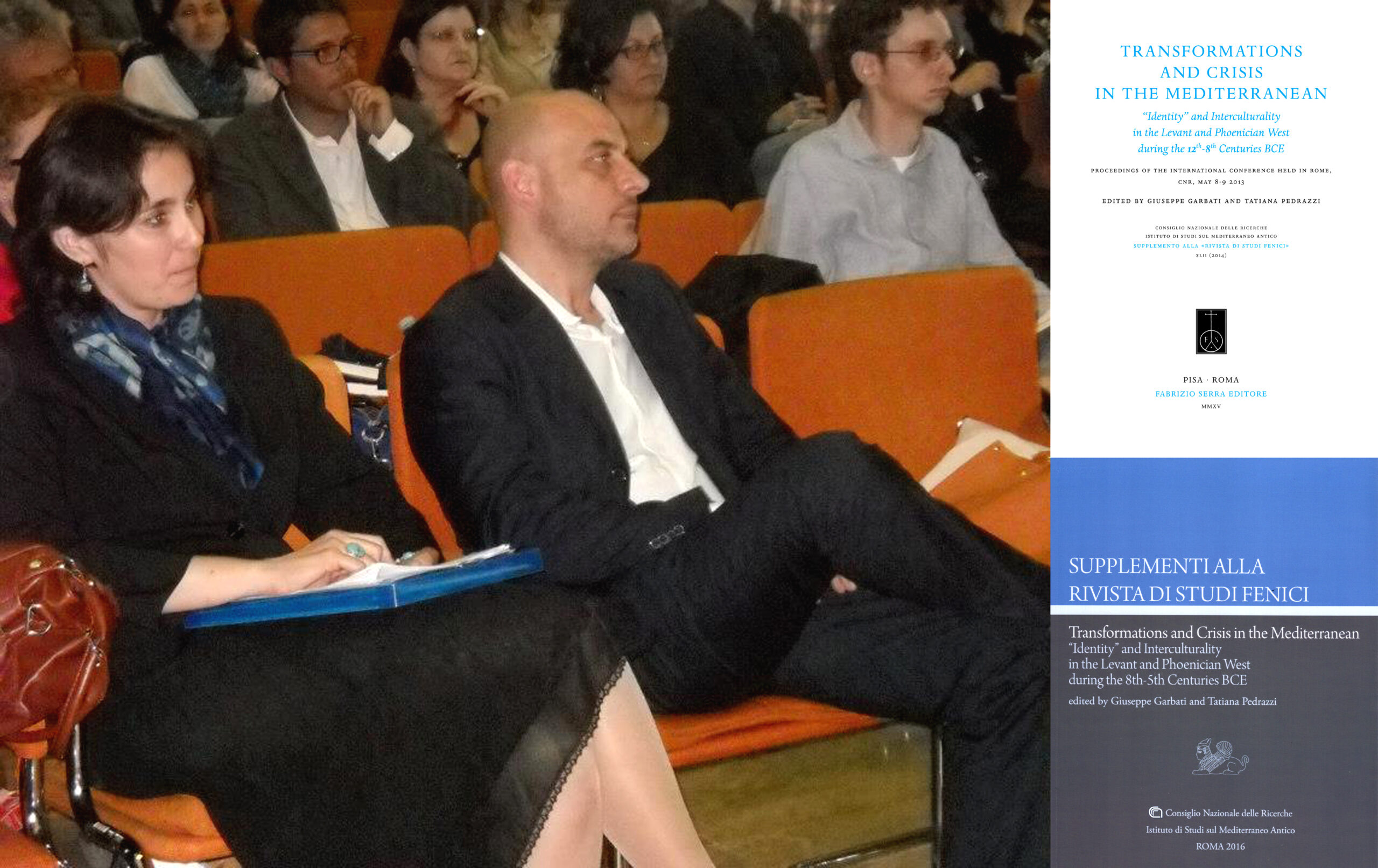
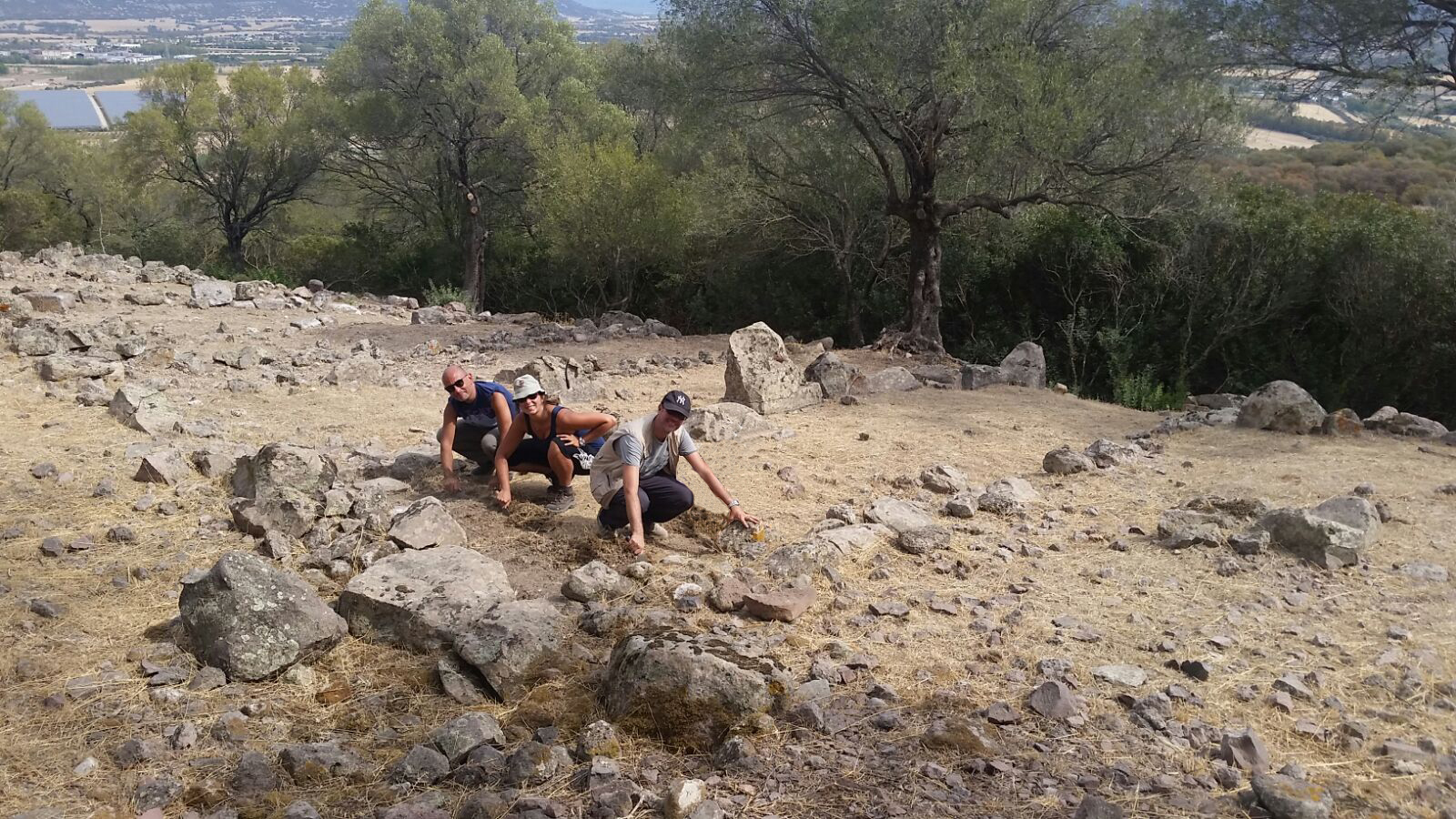
For further information on ISPC research activities click the button.
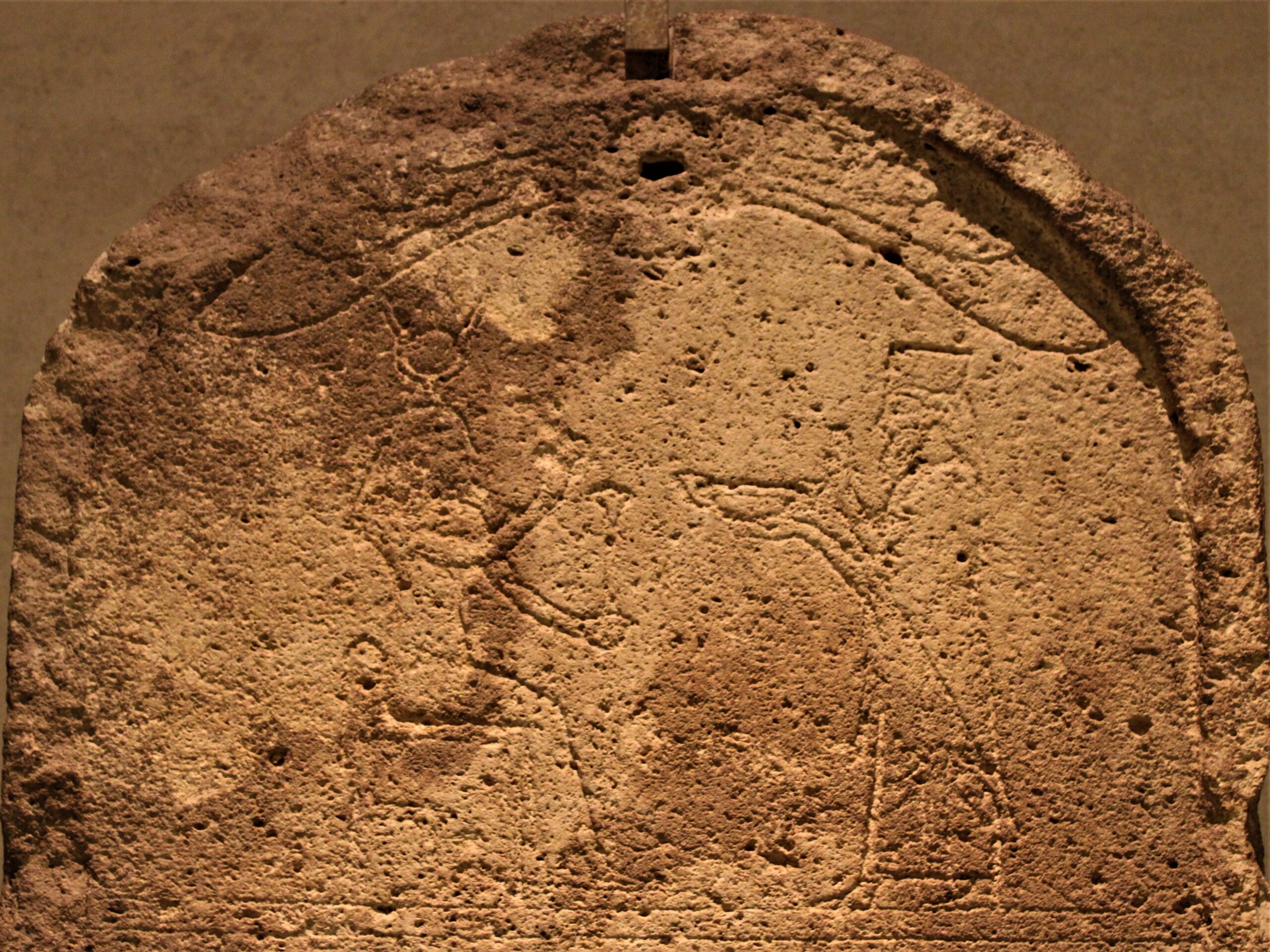
Partners of the main research projects
Marco Arizza (CNR-CID Ethics); Corinne Bonnet (Université de Toulouse, France); Marianna Castiglione (Università della Calabria); Andrea Ercolani (CNR – Ismed); Fabio Fabiani (Università di Pisa); Nabil Kallala (Université de Tunis); Wissam Khalil (Université Libanaise); Sara Lancia (Pani Loriga Archaeological Project); Simona Ledda (Fondazione Cammino Minerario di Santa Barbara); Thomas P. Leppard (Florida State University); Emanuele Madrigali (Pani Loriga Archaeological Project); Elizabeth A. Murphy (Florida State University); Andrea Roppa (Università degli Studi di Padova); Mohamad Roumie (CNRS-Liban); Livia Tirabassi (Ghent University).
Main collaborations
Universities
- Florida State University (Tallahassee, FL)
- Ghent University
- Sapienza University of Rome
- Universidad de Cádiz
- University of Milan
- Università degli Studi di Padova
- Università degli Studi di Napoli “Federico II”
- Università degli Studi di Verona
- Università di Pisa
- Université de Bretagne Sud
- Université de Toulouse Jean Jaurès
- Université de Tunis
- Université Libanaise
- University of Bristol
- University of Zurich
Museums
- Museo Archeologico di Santadi
- National Archaeological Museum, Beirut (Lebanon)
Istitutions
- Centro Interdipartimentale per l’Etica e l’Integrità nella Ricerca, CNR
- CNRS Liban
- Comune di Santadi
- Direction Général des Antiquités (DGA), Liban
- Istituto di studi sul Mediterraneo, CNR
- Institut National du Patrimoine, Tunis
- Ministero degli Affari Esteri e della Cooperazione Internazionale (MAECI)
- Ministero dei Beni e delle Attività Culturali e del Turismo (MiBACT)
- Ministero dell’Università e della Ricerca (MUR)
- Municipality of Kharayeb (South Lebanon)
- Soprintendenza Archeologia, belle arti e paesaggio per la città metropolitana di Cagliari e le province di Oristano e Sud Sardegna
Main publications
S.F. Bondì, M. Botto, G. Garbati, I. Oggiano, Fenici e Cartaginesi: una civiltà mediterranea, Roma 2009.
M. Botto (ed.), Il complesso archeologico di Pani Loriga, Sardegna Archeologica, Guide e Itinerari, 61, Sassari 2016.
M. Botto, The Punic Settlement of Pani Loriga in the Light of Recent Discoveries, “Fasti On Line Documents & Research (FOLD&R)”, 2017, 1-19.
G. Garbati, Fingere l’identità fenicia: Melqart “di/ sopra ṣr”, “Rivista di Studi Fenici”, 40, 2012, 159-174.
G. Garbati, T. Pedrazzi (eds.), Transformations and Crisis in the Mediterranean. “Identity” and Interculturality in the Levant and Phoenician West during the 12th-8th Centuries BCE. Proceedings of the International Conference held in Rome (May 8-9 2013), Rivista di Studi Fenici 42, Suppl., Roma 2015.
G. Garbati, T. Pedrazzi (eds.), Transformations and Crisis in the Mediterranean. “Identity” and Interculturality in the Levant and Phoenician West during the 8th-5th Centuries BCE, Roma 2016.
N. Kallala, S. Ribichini, M. Botto, F. Fabiani, Le tophet-sanctuaire de Baʽal Hammon-Saturne d’Althiburos: de la découverte à la fouille. Résultats préliminaires, in F. Baratte, V. Brouquier-Reddé, E. Rocca (eds.), Du culte aux sanctuaires. L’architecture religieuse dans l’Afrique romaine et byzantine, Orient & Méditerranée, Archéologie 25, Paris 2018, 113-134.
I. Oggiano, T. Pedrazzi, La Fenicia in età persiana. Un ponte tra il mondo iranico e il Mediterraneo, Rivista di Studi Fenici 39, Suppl., Pisa-Roma 2013.
I. Oggiano, Collecting disiecta membra: What did the Cult Place of Kharayeb Look Like?, in G. Garbati (ed.), Cercando con zelo di conoscere la storia fenicia, Roma 2018, 17-37.
T. Pedrazzi, Le giare da conservazione e trasporto: uno studio archeologico dell’economia del Levante fra Bronzo Tardo e Ferro I (circa 1400-900 a.C.), Pisa 2007.